It was not tranquil when Megalodon’s molar was first found. The tooth belonged to the largest predatory fish ever be found in the oceans of Earth. Then the tooth was lost. That would mean the end for most objects. For fossils of dinosaurs this could be the beginning of a new story.
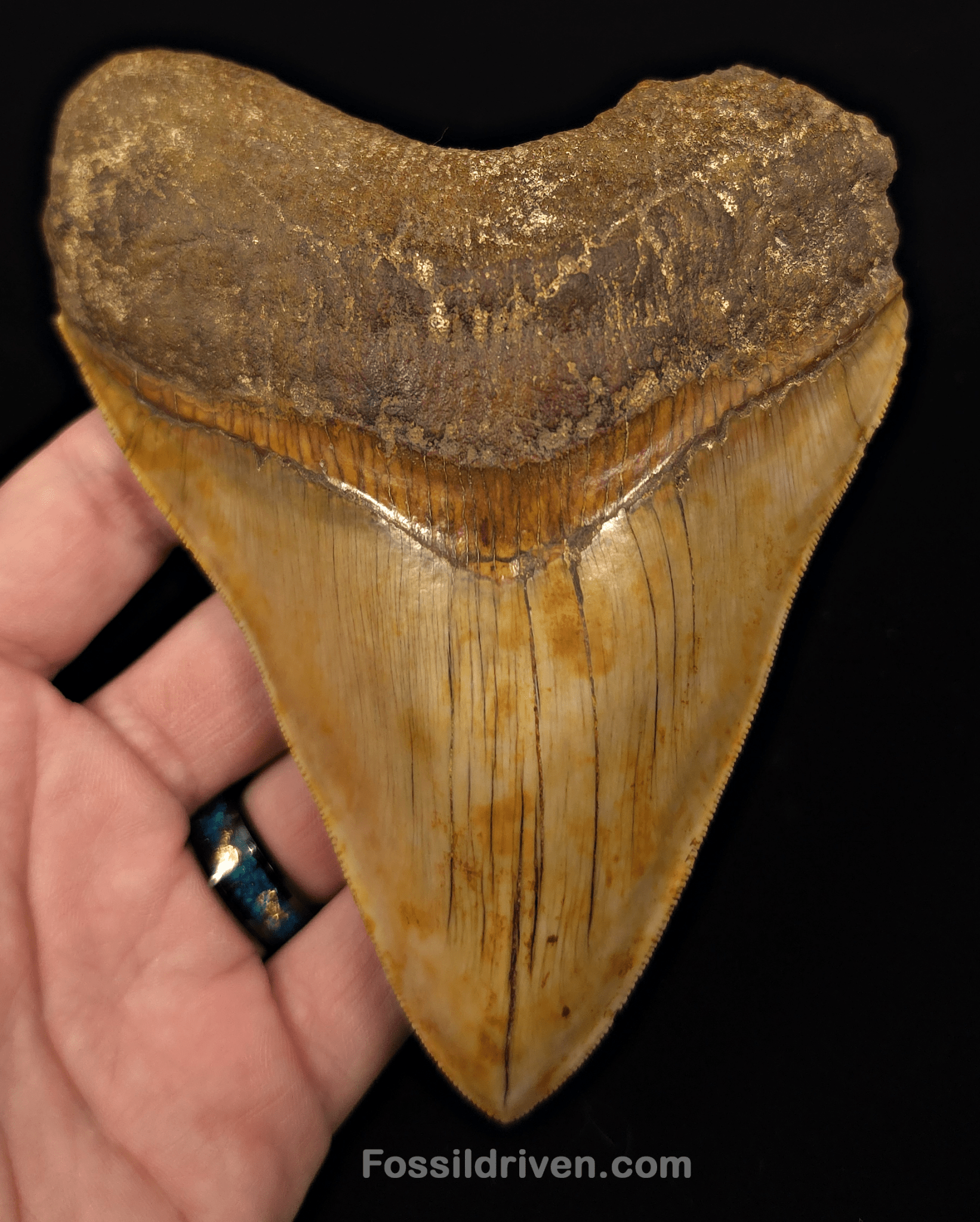
Image credit: fossildriven.com
The specimens offered by Fossil Driven have traveled through a geological process measured not in years or centuries, but in millions of years. The experience of viewing a fossil is transformed when you understand the journey. It’s no longer just an intriguing object. You are seeing the physical evidence of an ancient world.
The First Station: An Ancient Ocean
Megalodon’s teeth are taken from West Java in Indonesia. Roughly 20 million years ago, regions that are dry land today were linked to warmer marine environments. Megalodons, along with other marine animals inhabited these prehistoric waters, along with Megalodons.
As modern sharks do, Megalodon continually produced and lost teeth. Some of them eventually were buried in marine sediments. If the conditions were right burial could protect them for so long that fossilization could take place.
Then Geology Overtook
The next chapter moved incredibly slow. Sediments began to collect. Minerals interacted with the buried material. Geological forces changed landscapes and submerged environments became land. This is why shoppers immediately notice when looking at the megalodon teeth available for sale: genuine fossil teeth can be extremely different in color.
Indonesian specimens found in West Java’s Miocene Bentang Formation can appear in a variety of shades, including tan or gold, as well as brown or red. Blue, blue, and. They also have multiple shades within one tooth. The mineral surroundings contribute to the appearance that a specimen takes on during its lengthy burial. This makes it impossible to manufacture in mass. Each fossil tells its own geological story.
Discovery Begins Another Chapter
Finally, a mysterious fossil that is thousands of years old is discovered. Now identification and documentation become vital.
Collectors aren’t content with the appearance of megalodon’s teeth when they search for them. This is why they need to know about geological preservation, age, locality and repairs.
Natural wear won’t remove a fossil’s past. It’s possible that a worn edge or imperfect root and an incomplete serration, are all a part of the fossil’s history. It is crucial to represent its condition accurately.
Fossil Driven has more than 13 years experience in the field of fossil identification and collaborates with established suppliers as well as fossil hunters. The specimens are examined and described, including relevant information whenever it is possible.
Then it happens that the Fossil is found by someone’s hands.
People buy real Fossils because of a variety of reasons. Certain collectors have carefully categorized collections. Some want to create a striking conversation piece. A child who is enthralled by prehistoric animals may receive their first fossil that sparks a lifetime love for paleontology.
Megalodon teeth are just one entrance into the world. Dinosaur teeth, fossils of mosasaurs trilobites, ammonites mammoth materials, and other pieces of evidence tell entirely distinct chapters of Earth’s past.
The most satisfying part is knowing It’s Real
A replica is able to replicate the shape and size of teeth from prehistory. The replica can’t replicate its past. An authentic Megalodon tooth existed in an animal of the past, entered an environment that was completely different from the present It was able to withstand geological change, was buried for thousands of years, and eventually was discovered.
This is the reason that authenticity is vital. You are holding a fossil that has completed a truly amazing journey through time. The latest stop of the fossil is in the display case.