Electric vehicles are fast changing the transportation landscape. They provide a more sustainable alternative to cars powered by gasoline. However, for many considering the switch, a lingering question remains: how exactly do EV charging stations work? Future EV drivers, fear not! This article will assist you in understanding the most important elements that comprise the EV Infrastructure, so you’re able to confidently navigate the new landscape.
The fundamental concept is: Providing power and to replenish energy
Chargers for electric vehicles function according to a simple concept. They serve as intermediaries between your car and the grid. Imagine them as electron pumps, replenishing the energy reserves that propel your EV forward. Parking your EV in a charging dock and connecting the cable to the appropriate plug is all that’s required.
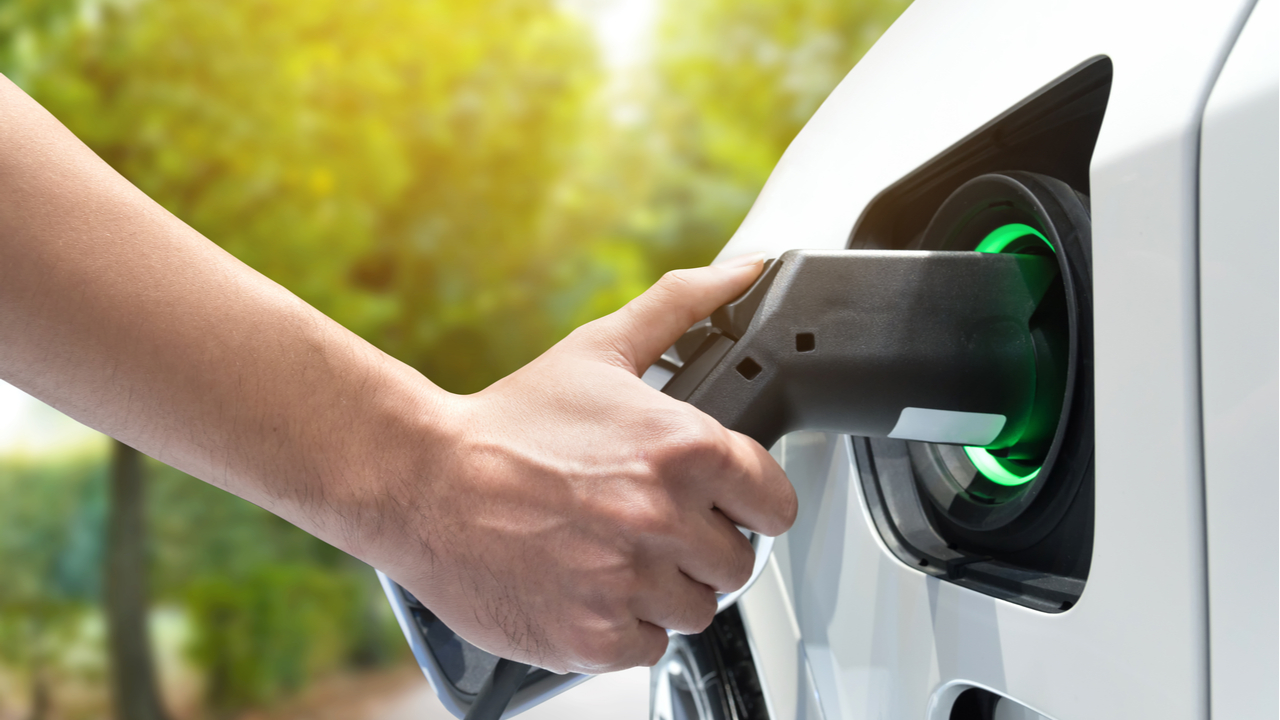
Plugging In for Compatibility and Charging Speeds
While the fundamental concept is the same in most EV chargers, the type of plug and charging rates vary. Similar to the numerous fuel nozzles at gasoline stations the EV charging stations use different plug configurations based on the car and charging standards. Understanding these variations is crucial to ensure a seamless charging experience.
Tesla Superchargers A Network of Speed
Tesla owners can benefit from an exclusive network of strategically placed Tesla Superchargers. These fast-charging station are specifically designed specifically for Tesla cars and boast incredible charging rates, which allows owners to get a substantial battery recharge in a short period of time than conventional charging stations. This means shorter charging times and reduced waiting times, making long-distance journeys in a Tesla more comfortable.
Finding alternative charging options
The EV charging infrastructure is broader than Tesla Superchargers. There are a variety of charging stations for public use that are operated by various companies and can work with a variety of EVs. They usually have different charging rates, from Level 2 which allows for a faster charge than an outlet in your home, to DC Fast Chargers. They have charging times comparable to those of gasoline station refills.
Range anxiety You must plan your charge!
The anxiety of running out prior to reaching an electric charging station is among of the main concerns of prospective EV buyers. With the increase in charging stations and range of the latest EVs this worry is lessening. Electric vehicles can cover hundreds of miles with a single battery charge. The apps for route planning assist you in finding charging stations that will ensure your trip is stress-free.
Here is a glimpse into the power source behind the charger.
The secret to EV charging stations lies in the innovative interaction between technology and the grid. The purpose of the station is to convert grid’s current alternating into DC electricity. This is the kind of power your EV battery needs. The station is fitted with security features, which include security protocols and communication protocols to ensure the safe and efficient charging of your EV battery.
Charging Forward The Convenience and Accessibility
The charging of electric vehicles is becoming more convenient and simple to get access. Numerous charging stations are accessible to public. user-friendly interfaces and options to pay with the credit card or specific app. In addition, certain workplaces and residential complexes are installing charging stations that allow drivers to charge their vehicles at work or at home and further increasing the convenience of owning an EV.
The Green Grid Connection: Promoting Sustainability
The expansion of EV charging stations brings significant environmental benefits. These stations promote the use of zero emission electric vehicles. This contributes to cleaner air, and a more sustainable transport system. Furthermore as the grid shifts to renewable energy sources, such as solar and wind power, charging for electric vehicles will become greener, thus cutting our reliance of fossil fuels.
In the end, understanding EV charging stations empowers prospective EV owners to make informed decisions. The stations’ simple operation, their increasing accessibility, and their importance in promoting environmental sustainability make them foundations of a future that is powered with efficient, clean electric vehicles. The next time you pass by the charging station of an electric vehicle, bear in mind that it’s more than just an outlet. It’s also a gateway towards a greener, more sustainable transportation.