In the current rapidly changing manufacturing industry, industrial robots as well as robotic manufacturing have become major drivers of innovation as well as efficiency. Industrial robotics has transformed manufacturing, bringing businesses various benefits, including increased efficiency, quality, and competitiveness. Manufacturing robots are expected to play a larger influence on the future of manufacturing as the demand for automated solutions increases.
Industrial robots are also referred to as manufacturing robots. They are specifically designed machines that perform multiple tasks in the industrial setting. The tasks could involve welding and painting, assembly and packing and picking and many more. Industrial robotics, which is the area of study and applications of these robots is focused on increasing efficiency and precision in manufacturing processes.
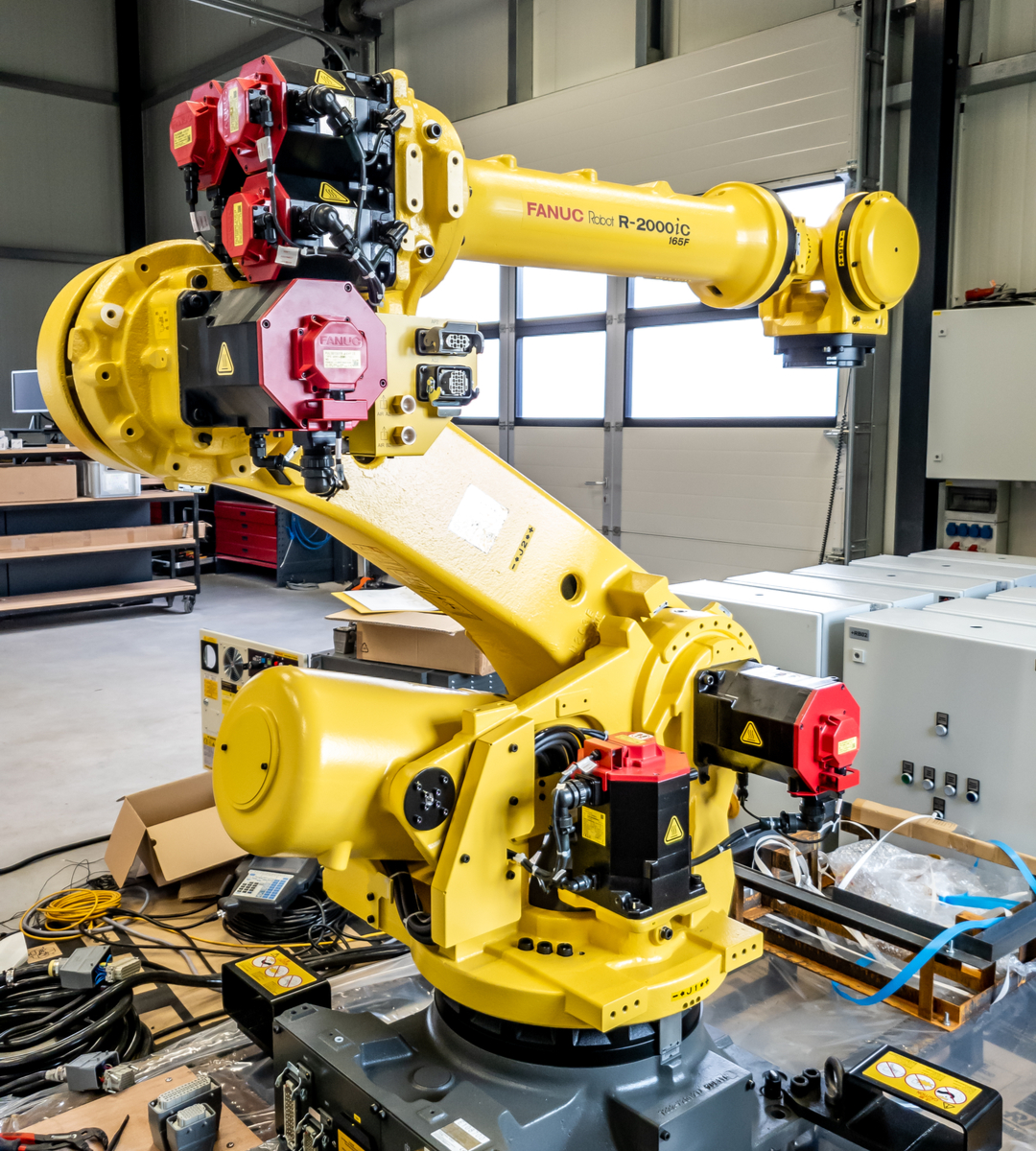
Automated Solutions Australia is one of the companies on the leading edge. They specialize in industrial robots which offer a flexible automation solution for manufacturing clients. The industrial robots offered by ASA allow clients gain an advantage on the market by enhancing productivity and quality. ASA’s industrial robot solutions, which are based on the best practices and a focus on quality, are used by companies across many industries like electronic manufacturing, pharmaceuticals, automobiles and more.
The advantages of using industrial robots in manufacturing are multifaceted. The most significant benefit is enhancement in efficiency and productivity. Industrial robots perform routine tasks in a precise and consistent manner, resulting in higher productivity rates. This is not only a boost to overall efficiency but also enables companies to meet the increasing demands of consumers requirements with ease.
Additionally, industrial robots contribute to improved production quality and control. By executing tasks with accuracy and resiliency, they reduce the risk of error and produce better-quality products. This, in turn, enhances customer satisfaction as well as bolsters a company’s reputation for delivering superior quality goods.
Industrial robots not only offer efficiency and quality but also cost-saving benefits. While the initial expense for the production of robots is expensive however, the benefits over the long term are substantial. Through streamlining processes in production and reducing the requirement for manual labor, companies are able to reduce their operational expenses and see a rapid ROI. Industrial robots are also able to work 24/7, increasing the efficiency of resources and reducing the cost per unit of production.
Another significant benefit of industrial robots can be their impact on workplace environments. These machines are designed to create low levels of noise making for a quieter and more comfortable work environment for employees. Furthermore their speed and accuracy contribute to making the workplace safer, by minimizing the risk of injuries and accidents.
The integration of industrial robotics also plays a crucial role in job creation and the future of work. Industrial robots may create new employment opportunities, regardless of concerns that automation could take over humans. They include roles in robot programming, maintenance, and supervision as well as positions in support of the manufacturing process using robotics.
Businesses across all sectors profit from this revolutionary technology, as the manufacturing sector is embracing the possibilities of industrial robotics. Industrial robotics is able to improve efficiency, effectiveness and quality. It is revolutionizing the manufacturing industry, and creating new standards for excellence.
Conclusion: The growth of industrial robotics and production robots is revolutionizing the manufacturing industry. The integration of these cutting-edge technologies allows businesses to achieve unprecedented levels of productivity accuracy, precision, and efficiency. Industrial robots are expected to play a major function as the need for automation continues to grow. They are able to in shaping the future of manufacturing and drive forward the development of technology.